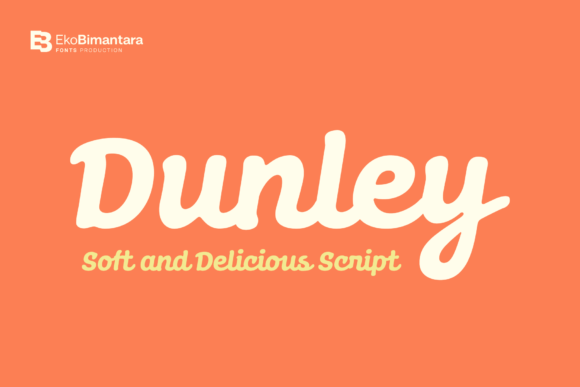
Dunley: A Sweet Script Font for Modern Web Design
In the crowded landscape of digital interfaces, the choice of typography often dictates the first impression a user forms. As web designers and UI creators, we constantly search for typefaces that balance aesthetic charm with functional clarity. Enter Dunley, a sweet, thick lettered paint brush script that has quickly become a favorite in my toolkit for crafting memorable brand identities. Unlike standard sans serif fonts that dominate body copy, Dunley brings a distinct personality to headers, hero sections, and call-to-action areas, transforming sterile layouts into engaging visual experiences.
The Visual Personality of Dunley in Digital Layouts
Dunley is not just another decorative font; it is a display typeface designed with intention. Its thick, hand-painted strokes mimic the texture of a real brush, yet they maintain enough structure to remain legible on high-resolution screens. This unique characteristic places it firmly within the category of premium script fonts that elevate a site's perceived value. When I integrate Dunley into a landing page, the immediate effect is a shift in tone. The design feels less corporate and more human, inviting users to pause and engage with the content rather than scanning past it.
The "thick lettered" nature of this typeface makes it an excellent choice for creating strong visual hierarchy. In a typical web layout where space is at a premium, Dunley commands attention without requiring excessive size increases. This efficiency is crucial for responsive design, ensuring that headlines look impactful on both desktop monitors and mobile devices. Whether you are designing a boutique online store or a personal coaching website, the warmth of Dunley can bridge the gap between a digital interface and a personal connection.
Strategic Placement: Headers, Heroes, and CTAs
While Dunley is versatile, its strength lies in specific applications. It excels as a headline font for hero sections, where it sets the stage for the entire user journey. Imagine a product launch page for a handmade craft brand; using Dunley for the main tagline instantly communicates the artisanal quality of the products. The organic flow of the letters suggests creativity and care, aligning perfectly with the brand story.
Beyond the hero section, Dunley works beautifully for section headings and subheaders that need to break up long blocks of text. However, caution is advised when using it for body copy. As a script font, it is best reserved for short phrases, titles, and emphasis. For longer paragraphs, pairing Dunley with a clean sans serif font ensures readability and maintains a professional standard. This contrast creates a rhythm that guides the eye naturally through the page, enhancing the overall user experience.
One of the most effective uses of Dunley is in call-to-action (CTA) buttons and banners. While many designers stick to blocky, geometric buttons, applying Dunley to a primary button can make it stand out in a sea of generic designs. For example, on a course sales page, a button labeled "Start Your Journey" in Dunley feels like an invitation rather than a command. This subtle psychological shift can significantly impact conversion rates by making the action feel more approachable and friendly.
Optimizing Readability Across Devices
When implementing any script font in a web environment, readability is paramount. Dunley's thick strokes are generally forgiving, but they require careful consideration regarding background contrast and spacing. On dark backgrounds, the white or light-colored strokes of Dunley pop effectively, creating a sophisticated editorial look. Conversely, on light backgrounds, ensure there is sufficient padding around the letters to prevent them from feeling cramped.
Mobile responsiveness is another critical factor. Because Dunley features connected or closely spaced letters, reducing the font size too much on smaller screens can lead to illegibility. As a best practice, I recommend setting a minimum font size for Dunley in your CSS media queries to ensure it remains crisp on smartphones. Additionally, avoiding image overlays with low contrast behind the text is essential. If you must place Dunley over an image, use a subtle gradient overlay or shadow to separate the text from the background, preserving the integrity of the brush strokes.
Mastering Font Pairing for Brand Identity
The true power of Dunley is unlocked through strategic font pairing. To create a cohesive brand identity, it is vital to balance the decorative nature of Dunley with a neutral counterpart. A modern sans serif font is the ideal partner for Dunley. The geometric simplicity of a sans serif provides a stable foundation, allowing the playful curves of Dunley to shine without overwhelming the viewer. This combination is particularly effective for SaaS founders and tech startups looking to inject some humanity into their user interface.
For a more traditional or editorial vibe, pairing Dunley with a classic serif font can yield stunning results. This pairing evokes a sense of heritage and trust, making it suitable for luxury brands or high-end service providers. Regardless of the pairing, the goal is to establish a clear distinction between the voice of the brand (Dunley) and the information delivery (the secondary font). This separation enhances scanning behavior, allowing users to quickly identify key messages while reading detailed content effortlessly.
Licensing and Technical Considerations
Before integrating Dunley into any commercial project, it is essential to review the licensing terms. As a premium font, Dunley typically comes with specific usage rights for web design, client projects, and digital assets. Ensure you have the appropriate webfont license if you plan to embed the typeface directly into your website via @font-face or a CDN. This legal step protects both you and your clients, especially when scaling to large audiences or multiple domains.
From a technical standpoint, check the available file formats. Modern web development requires optimized webfonts such as WOFF2 for faster loading times. Verify that the font package includes the necessary weights and styles to support your design system. While Dunley is primarily a display font, having access to alternates or ligatures can add extra flair to logo designs and social media graphics. Furthermore, consider multilingual support if your target audience is global, ensuring that the font renders correctly across different character sets.
Elevating Your Digital Presence
Incorporating Dunley into your design workflow offers more than just aesthetic appeal; it provides a tool for storytelling. Whether you are building a portfolio site, an e-commerce banner, or a branded email template, this script font adds a layer of sophistication and warmth that standard typefaces cannot match. By understanding its strengths and limitations, you can leverage Dunley to create digital experiences that resonate with users on an emotional level.
Ultimately, the right font can make or break a brand's online identity. Dunley stands out as a robust option for designers seeking to blend creativity with functionality. Its ability to adapt to various contexts—from bold hero titles to elegant footer accents—makes it a valuable asset in any creative font library. As you refine your next project, consider how a touch of handwritten elegance might transform your layout, driving engagement and reinforcing your brand's unique voice in the digital space.