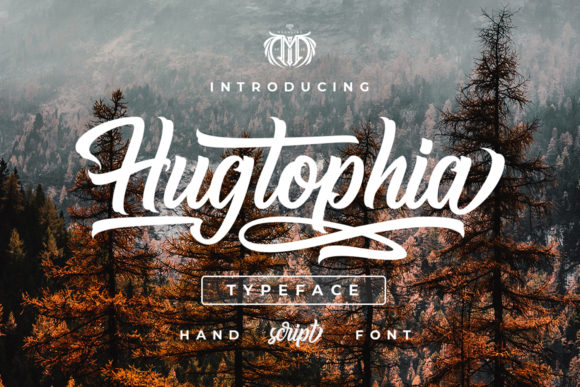
Hugtophia: A Modern Script Font for Web Design
In the crowded landscape of digital interfaces, the choice of typography often dictates the first impression a user forms. As web designers and UI creators, we constantly search for typefaces that balance aesthetic appeal with functional readability. Hugtophia emerges as a standout option in this quest. It is an elegant script font with a contemporary atmosphere and impeccable form, inspired by timeless classic calligraphy yet refined for the screen. Unlike many decorative scripts that sacrifice legibility for style, Hugtophia offers a balanced stroke weight—neither too thin nor too thick—that ensures clarity across various digital environments.
The Visual Personality of Hugtophia
When evaluating a new asset for a design system, I look for versatility and character. Hugtophia delivers a personality that feels both personal and professional. Its strokes mimic the fluidity of a skilled hand but maintain the geometric consistency required for modern typography. This makes it an ideal Script Amp tool for elevating brand identity without overwhelming the layout. The font's varied line weights create a dynamic rhythm, drawing the eye naturally through headers and key messages.
For digital product creators, the distinction between a "handwritten font" and a true display typeface is crucial. Many handwritten fonts lack the structural integrity needed for responsive web design. Hugtophia, however, is engineered to hold its own on high-resolution displays and mobile screens alike. Its contemporary atmosphere allows it to fit seamlessly into sleek SaaS landing pages just as well as it does in boutique online stores. The font exudes a sense of trust and craftsmanship, which are essential elements for conversion-focused layouts.
Strategic Applications in Web Layouts
Integrating Hugtophia into a website requires understanding where it shines brightest. It is primarily a display font, meaning it performs best in large sizes where its intricate details can be appreciated. Here is how you can leverage it effectively:
- Hero Sections: Use Hugtophia for the main headline on your homepage or landing page. Its elegance immediately establishes a premium tone, setting the stage for the content below.
- Section Headings: In long-form content like blog posts or course sales pages, use this script font to break up monotony. It creates visual hierarchy and guides the reader through different topics.
- Call-to-Action Areas: While buttons should remain clear, using Hugtophia for the text above a primary CTA can add a touch of sophistication that encourages clicks.
- Logo Design: For creative entrepreneurs and coaches, this typeface serves as an excellent foundation for logo text, conveying warmth and approachability.
- Digital Ads and Banners: In social media graphics or retargeting ads, the unique shape of Hugtophia helps your brand stand out in a feed dominated by standard sans serif fonts.
Enhancing Readability and User Experience
A common pitfall with script fonts is poor readability on smaller devices. However, Hugtophia's balanced stroke width mitigates this issue. On mobile screens, where space is limited, the font remains distinct without blurring or becoming illegible. When designing responsive layouts, ensure that the minimum font size for Hugtophia stays within a readable range, typically no smaller than 24px for body copy contexts, though it is rarely used there. Instead, reserve it for titles and short phrases.
Contrast plays a vital role in usability. Hugtophia looks stunning against dark backgrounds, creating a luxurious feel perfect for evening-mode websites or high-end product showcases. Conversely, on light backgrounds, it maintains crisp edges, ensuring accessibility standards are met. When placing this font over image overlays, always apply a subtle shadow or background blur to prevent the delicate curves from getting lost in complex textures.
Mastering Font Pairing for Digital Brands
No font exists in isolation. To create a cohesive brand identity, pairing Hugtophia with complementary typefaces is essential. Since Hugtophia is a decorative script, it needs a neutral partner to ground the design. The most effective strategy is to pair it with a clean, geometric sans serif font for body copy. This combination creates a striking contrast: the warmth of the script against the neutrality of the sans serif results in a modern, editorial look.
Alternatively, for brands aiming for a more traditional or academic vibe, pairing Hugtophia with a classic serif font can work wonders. This setup is particularly effective for coaching websites, legal blogs, or heritage brands looking to modernize their digital presence while retaining a sense of history. Avoid pairing it with other script fonts or overly decorative typefaces, as this can lead to visual clutter and reduce overall readability.
Practical Examples for Different Niches
Consider a portfolio site for a freelance photographer. Using Hugtophia for the project titles adds a human touch that aligns with the artistic nature of photography. For a boutique online store selling handmade jewelry, the font in the navigation bar or collection headers reinforces the idea of artisanal quality. In the context of a course sales page, using Hugtophia for module names can make the curriculum feel more personalized and engaging compared to standard block text.
Even in tech-heavy environments, such as a startup landing page, a splash of Hugtophia in the hero section can soften the corporate feel, making the brand appear more innovative and user-centric. The key is restraint; use it to highlight, not to dominate.
Technical Considerations and Licensing
Before integrating any premium font into a live environment, technical compatibility is paramount. Ensure that the font files provided include webfont formats (WOFF2, WOFF) for optimal loading speeds and cross-browser support. Check if the package includes alternates or ligatures that can add further customization to your design assets. Multilingual support is also a critical factor for global brands; verify that Hugtophia supports the necessary character sets for your target audience.
Licensing is another non-negotiable aspect of professional web design. As a commercial font, Hugtophia requires a valid license for use on websites, client projects, and digital products. Whether you are building a single landing page or a full-scale e-commerce platform, ensure your license covers the number of impressions or domains required. Using unlicensed fonts can lead to legal complications and damage your professional reputation. Always review the terms regarding usage in templates, apps, and brand kits to stay compliant.
Ultimately, Hugtophia represents a shift towards more thoughtful, emotive typography in the digital space. It bridges the gap between classic calligraphy and modern web requirements, offering designers a powerful tool to craft memorable online experiences. By focusing on readability, strategic placement, and proper pairing, you can harness the full potential of this elegant typeface to elevate your brand's digital identity.